 May pick
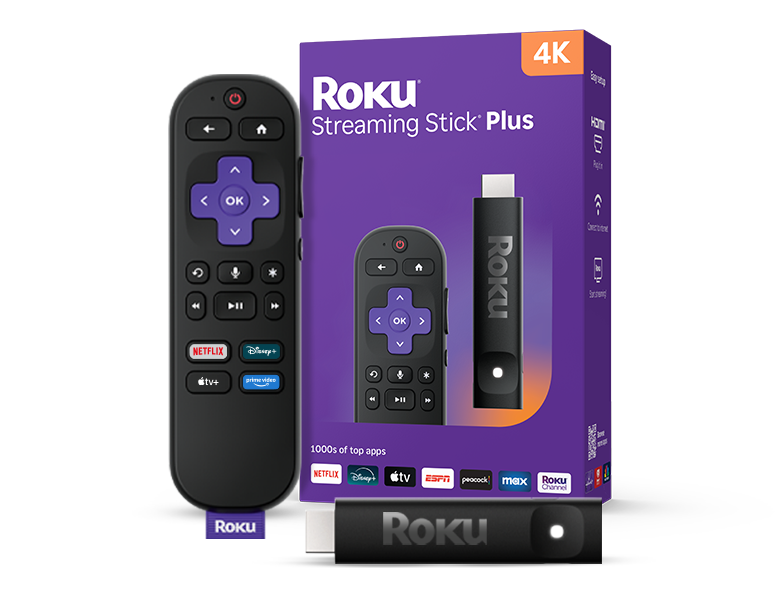
Roku Streaming Stick 4K — one stick, 500+ free live channels, no monthly fee
About $40 one-time. The Roku Channel's clean live guide beats any antenna and works on every TV.
Get one on Amazon →
May pick
Roku Streaming Stick 4K — one stick, 500+ free live channels, no monthly fee
About $40 one-time. The Roku Channel's clean live guide beats any antenna and works on every TV.
Get one on Amazon →
May pick
Roku Streaming Stick 4K — one stick, 500+ free live channels, no monthly fee
About $40 one-time. The Roku Channel's clean live guide beats any antenna and works on every TV.
Get one on Amazon →
May pick
Roku Streaming Stick 4K — one stick, 500+ free live channels, no monthly fee
About $40 one-time. The Roku Channel's clean live guide beats any antenna and works on every TV.
Get one on Amazon →
Enter your zip code below to see exactly how much you can save each month — usually $58–$92.
A father-and-son local AV installation team — 28 years of running cable, mounting TVs, and dialing in home networks in real homes.
We know which gear is worth buying — and exactly how to set it up so it actually works.
Answer 5–7 quick questions. We'll show you the exact services + cost vs your current bill. Built by a 28-year residential AV installer — not a marketing team.
Each one was built by the same hands that install this stuff for a living. Pick the job; get an honest plan in 60 seconds.
Pick a TV + wall type. Get the exact mount, outlet kit, cable bridge, and install steps an installer would use.
Build my mount →From TV → soundbar or AVR → speakers → sources. Outputs connection diagram, settings checklist, and a 1-click cart.
Build my system →What an honest install actually costs. Trunk-slammer warning + real labor rates so you don't get burned at the door.
Price my install →Building or renovating? The drywall-deadline rescue tool. Per-room wire spec your electrician can actually pull.
Plan my pre-wire →Upload your cable bill. We find what to cancel, what to swap, and how much you'd save — usually $30-60/mo.
Audit my bill →Streaming devices
Four devices cover 95% of households. The real choice comes down to ads, ecosystem, and how much picture processing you actually want.
Also see: pre-built household recommendations · who actually serves your ZIP · YouTube TV vs Hulu vs Fubo
This week
The price hikes, channel moves, and deals worth knowing about.
Pricing
May 12, 2026
Sports
May 12, 2026
Free TV
May 12, 2026
Deep dives
The long reads for when you want to actually understand the choice.
Providers we cover
We've reviewed all of them. Honestly. With install context.
The differentiator
Cable, fiber, streaming, satellite — they don't look the same. We ranked 14 providers on what actually shows up on your TV.
See the comparison →A few common questions below. For everything else, use the search bar in the top nav — it covers 230+ guides, reviews, and 10,000+ FAQ answers across the whole site.
Most households overpay. A typical family of four pays around $190/month for cable plus streaming once promo pricing rolls off. A lean stack — fast internet, a free live TV app like Plex (600+ free channels) or The Roku Channel for locals, two streaming apps, and the occasional rental — costs about $98/month. When we audit a household, average savings come out to roughly $58–$92 per month.
Almost always, but not by as much as the headlines claim. Year-2 cable bills typically run $150–$220/month after promo pricing expires. A full streaming replacement (YouTube TV + Netflix + Disney bundle) runs $150–$180/month. The real savings show up when you skip a vMVPD and lean on free live TV apps like The Roku Channel + 2–3 targeted paid streaming apps.
Not usually. "Antenna" just means getting your local channels free — ABC, NBC, CBS, FOX, and news. In 2026 you don't need a physical antenna on every TV to do that. The Roku Channel has 500+ free live channels with a clean guide where you can favorite the ones you watch. Freevee, Tubi, and built-in smart TV guides (especially Samsung TV+) work too. A physical antenna only makes sense for a single-TV setup, a rural home, or if you want the highest possible signal quality on a big 4K screen.
It depends on your ZIP code. YouTube TV, Hulu+Live, Fubo, and DirecTV Stream all carry CBS/FOX/NBC/ABC in most markets, but coverage varies block by block. Our ZIP-based quiz checks exactly which providers and which channels are available at your address.