Fox just bought Roku for $22 billion. Here's what it actually means for your TV.
What this means for you in one paragraph
Fox Corporation is buying Roku for $22 billion. Announced Monday June 15. Expected to close first half of 2027. Until then, nothing changes — your Roku Ultra, your Streaming Stick, your Roku TV, the apps you use, all of it works the same. After it closes, the home screen will probably tilt more toward Fox properties (Tubi, Fox One, Fox News, Fox Sports), but rival apps stay on the platform. The most interesting part is what happens to The Roku Channel and Tubi — both now owned by the same company, the two largest free-TV services in America. That's the story.
Bloomberg leaked it Friday and the stock jumped 20% on the rumor. Monday morning Fox confirmed: $22 billion cash-and-stock deal, $160 per share, the biggest TV-distribution acquisition since the 2019 Disney-Fox split that created modern Fox Corporation in the first place. Fox is buying a connected-TV operating system that lives in 100+ million households globally, plus the biggest free-streaming service Fox doesn't already own — and getting in front of every smart TV ad impression that runs on a Roku-branded screen.
For Fox shareholders, the math is brutal. FOXA dropped 14% pre-market Monday. They're swallowing $12 billion in new debt and paying a 34% premium over Roku's pre-rumor close. For Roku shareholders, the math is great — $96 in cash up front, plus 0.9693 FOX-A shares per Roku share. For the rest of us — the cord-cutters, the families running streaming sticks because the cable bill was crushing them, the people who just want their TV to work — the question is what this does to the device sitting next to the TV.
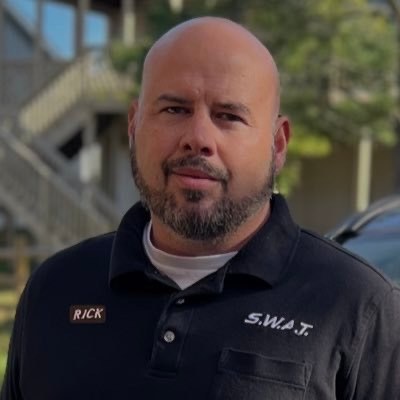
I've installed Roku boxes, Apple TVs, Fire TVs, and Google TVs in literally thousands of houses over the last 28 years. Bear has been in the cable industry for 50 — he watched media consolidation through three major waves. This is the take from inside the wall, not from a press release.
The deal in plain numbers
Why Fox wanted Roku
This isn't about hardware. Fox doesn't care about manufacturing $50 streaming sticks. The hardware business is a low-margin slog that Roku itself sells at near cost to seed the install base. Fox is buying four things, in order of importance:
1. The operating system in 100 million living rooms
Roku is the largest streaming-OS platform in the U.S. by household count. Bigger than Amazon Fire TV. Bigger than Apple TV. Bigger than every smart-TV-only platform (Samsung Tizen, LG webOS, Google TV) when you account for Roku-branded TVs sold by TCL, Hisense, Onn, and Element. Every time a household opens their TV, Roku decides what shows up first — featured rows, search results, content rails, the ad above the apps. That control is worth more than the hardware Fox is technically buying.
For a media company that owns the NFL on Sundays, World Cup matches in 2026, MLB postseason, college football, and the largest cable news network in America, owning the surface where viewers choose what to watch — that's strategic gold. Disney can keep ESPN, Comcast can keep Peacock, Warner-Paramount can keep HBO Max — but Fox now decides whether those apps appear above or below Fox One on the Roku home screen.
2. The free-TV land grab — Tubi + The Roku Channel
This is the part of the deal that genuinely matters for cord-cutters. Fox already owns Tubi, the second-largest free ad-supported streaming service in the U.S. (acquired 2020 for $440 million — one of the best media deals of the decade in hindsight). The Roku Channel is the largest free ad-supported streaming service. After this deal closes, the two biggest FAST services in America belong to the same parent company.
Combined, that's somewhere north of 250 million monthly viewers across the two brands. For reference, Netflix has 325 million paid subscribers globally. Tubi + Roku Channel under one roof has roughly the same number of monthly active viewers as Netflix has paying subscribers — and they pay nothing.
| Free ad-supported streaming service | Owner (post-deal) | Approx. monthly viewers |
|---|---|---|
| The Roku Channel | Fox Corp. | ~150M |
| Tubi | Fox Corp. | ~97M |
| Pluto TV | Paramount Skydance (post-WBD) | ~80M |
| Plex | Plex Inc. (independent) | ~25M |
| Freevee | Amazon | ~40M |
| Sling Freestream | Dish | ~15M |
Fox will probably keep both brands operating separately — Tubi for movies-and-shows on-demand, Roku Channel for FAST live channels — but the back-end is one business. Same ad-sales team. Same content rights deals. Same data pipeline. That's a free-TV monolith.
3. The CTV advertising machine
Roku's Q1 2026 numbers: $1.13 billion in platform revenue, up 28% year-over-year. Total advertising revenue was $613 million in a single quarter. The streaming-hours figure was 38.7 billion — that's how much TV got watched on a Roku-powered screen between January and March 2026.
Fox is one of the largest TV advertisers in the U.S. and one of the largest ad-sales operations through Fox News, Fox Sports, the broadcast network, and Tubi. Adding Roku's ad-tech stack — the OneView DSP, the data clean room, the ACR (automatic content recognition) data from Roku TVs — gives Fox what no other broadcaster has: a closed-loop advertising operation that runs from production through distribution through measurement.
Translation: if you watch a Ford F-150 ad during NFL on Fox Sunday, Fox can target you with another Ford F-150 ad later that night on Tubi, and a third one on a FAST channel during the World Cup. Same household, three impressions, one billing relationship with Ford. That's the kind of vertical integration the rest of the TV industry hasn't been able to pull off.
4. Direct distribution for live sports
Fox already has the NFL on Sunday afternoons (the NFC package). They have the 2026 FIFA World Cup English-language rights. They have MLB postseason and the World Series. College football. NASCAR. WWE SmackDown. Now they have a guaranteed distribution surface to push those events directly to 100+ million households without negotiating carriage with cable operators, satellite providers, or rival streaming services.
The Super Bowl on Fox in 2025 was famously simulcast free on Tubi — that's the model. Expect the 2026 World Cup to lean hard on Tubi distribution. Expect every Fox-rights live event to have a free Tubi simulcast option and a premium Fox One subscription path, both surfaced at the top of every Roku home screen during the event window.
What changes and when
- June 15, 2026 Deal announced. Both boards approved.
- Summer 2026 Hart-Scott-Rodino filing. Rival app makers (Netflix, Disney, Comcast, Paramount-WBD) lawyer up to lobby for behavioral conditions.
- Late 2026 Shareholder votes on both sides. Roku stockholders approve almost certainly — the cash component alone exceeds Roku's pre-rumor share price.
- Q1-Q2 2027 Expected close. Roku becomes a wholly-owned subsidiary of Fox Corporation.
- Mid-to-late 2027 First Fox-influenced Roku OS update ships. Watch for: Tubi promotional placement, Fox One subscription prompts, ad inventory shifts.
- 2028+ Tubi and Roku Channel back-end integration. Possible unified ad-sales product. Continued operation as separate consumer brands.
What this means for you — by device
If you own a Roku Ultra, Streaming Stick, or Express
Nothing to do. Your device works exactly the same through 2026 and most of 2027. No app removals, no forced re-registration, no software downgrade. Use it. The hardware is paid off — squeezing five more years out of it is the right move regardless of who owns the corporate parent.
If you own a Roku-branded TV (TCL, Hisense, Onn, Element with Roku OS)
Same story. Roku OS is licensed software, the TV manufacturer is independent, and the licensing terms run multi-year. Even after Fox closes the deal, your TV will keep receiving Roku OS updates on the existing cadence. If you bought a Roku TV in 2024 or 2025, it's a 2030+ device — keep it.
If you're shopping for a new streaming device in the next 6 months
Buy the Roku Ultra ($99) or the Streaming Stick 4K ($50) without hesitation. The hardware roadmap is set. The remote is still the best in the category. The home screen ads are still the lowest of any major platform. The Roku Channel as a free-TV layer just got better in expectation — Fox is going to pour content into it.
The question isn't "Roku in 2026." The question is "Roku in 2028." We'll re-evaluate when there's actual post-close software to look at.
If you're an Apple-centric household
Apple TV 4K was already the right answer for you. Nothing changes. The case for Apple TV is the ad-free interface, AirPlay integration, HomeKit hub, and the privacy posture — none of which are touched by what Fox does with Roku. If anything, the Fox-Roku deal strengthens Apple TV's value proposition as the neutral, ad-free alternative.
If you bought a Fire TV or Google TV
You already chose Amazon's or Google's home-screen ad density over Roku's. The Fox deal doesn't change Amazon's or Google's behavior. Stay on what you have. The relative ranking of the four big platforms shifts only marginally.
The FAST consolidation story
Three years ago the free ad-supported streaming TV market was fragmented across a dozen names — Pluto, Tubi, Xumo, Freevee, Roku Channel, Crackle, Plex, Vudu, Sling Freestream, Local Now, plus broadcaster-specific FAST apps from NBC, CBS, and ABC. By the end of this Fox-Roku deal (closing 2027), the FAST landscape collapses to two giants — Fox's combined Tubi/Roku Channel operation, and Paramount Skydance's Pluto TV (folded in with the WBD merger).
"The FAST market is consolidating exactly like cable did in the 1990s. Same playbook. Get big enough that advertisers can't ignore you, then start raising ad load. The endgame is one or two dominant free-TV brands per market. Tubi and Roku Channel under one parent is the moment the consolidation got real."— Bear, 50 years in cable
For viewers who use free TV as their main source of programming (a fast-growing segment — Nielsen says FAST viewing was up 53% year-over-year in 2025), this consolidation cuts both ways. The pros: more content investment, better discovery, deeper original programming, possibly free live sports rights migrating to Tubi-as-broadcast-arm. The cons: heavier ad loads, more cross-promotional clutter, and less negotiating leverage if Tubi/Roku Channel become the only place to get certain content.
The antitrust question
This is going to be the slow-moving subplot of late 2026. The Fox-Roku deal isn't a horizontal merger — Fox and Roku don't directly compete for the same customers. That makes it harder to block on traditional antitrust grounds. But it's a textbook vertical merger of content, distribution, and advertising. The FTC, DOJ, and possibly the FCC will all have something to say.
The specific concerns regulators will probe:
- Self-preferencing on the home screen. Can Fox push Tubi above Netflix in the app grid? Above Disney+ in search? Above Peacock during NFL season? Fox has already promised "open platform" treatment, but the devil is in the rate cards.
- Ad-rate discrimination. Will rival streaming services pay higher ad-tech fees on Roku's platform than Fox's own services? If yes, regulators will demand non-discrimination terms.
- ACR data. Roku's automatic content recognition tracks what you watch on every input — including over-the-air, cable, and rival streaming services. A broadcaster owning that data raises competitive intelligence concerns.
- Live sports distribution. Could Fox lock the NFL, World Cup, or MLB to Fox One-via-Roku in ways that disadvantage YouTube TV, Hulu+Live, or Fubo? Almost certainly not — broadcast retransmission rules prevent it — but the soft pressure (placement, search, default recommendations) is real.
Most likely outcome: deal approves with behavioral remedies. Roku stays open to rival apps. Search results stay neutral. Ad inventory stays equally accessible. The conditions get written into a consent decree that lasts 5-7 years. That's the Comcast-NBC playbook from 2011 and it's the most probable template here.
What this is not
A few things this deal does not do, because the social-media takes are already getting them wrong:
It does not turn Roku into a "Fox device." Roku will keep operating as an open platform — Netflix, Disney+, YouTube TV, Hulu+Live, Fubo, Sling, Max, Paramount+, Peacock, Apple TV+ all stay. Pulling rivals would torch the platform's value to Fox overnight.
It does not raise the price of your Roku. Hardware pricing stays competitive — Roku has always sold devices near cost. The business model is ad revenue, not hardware margin.
It does not break your existing Roku app subscriptions. Your Netflix login, your Disney+ profile, your YouTube TV billing — all of it stays put. Login data is owned by the app maker, not Roku.
It does not affect cable bills, broadband prices, or your ISP relationship. Roku doesn't sell internet. Fox doesn't run a cable network. The deal is media-side only.
The bigger picture — 2026 is the consolidation year
This is the third major media deal of 2026 in eight months. February's Paramount Skydance acquisition of Warner Bros. Discovery (signed at $31/share, $111B total, approved by WBD shareholders April 23, expected close Q3 2026). Apple's continued investment in F1 and MLS rights (taking F1 from ESPN in a $700M+ five-year deal). And now Fox-Roku.
By end of 2027, the US TV business will have consolidated to fewer corporate parents than at any point since the early 1990s:
- Disney — ESPN, ABC, Disney+, Hulu (now merging into Disney+), Hulu+Live, Pixar, Marvel, Star Wars, Nat Geo
- Comcast / NBCUniversal — NBC, Peacock, Bravo, MSNBC, USA, Sky, Universal Pictures, Xfinity cable
- Paramount Skydance (post-WBD merger) — Paramount+, CBS, HBO Max, Warner Bros. film, DC, Discovery cable networks, Pluto TV
- Fox Corporation (post-Roku) — Fox broadcast, Fox News, Fox Sports, Tubi, Roku OS, Roku Channel
- Amazon — Prime Video, Freevee, MGM, Twitch, NFL Thursday Night, NBA package
- Apple — Apple TV (streaming), F1, MLS, Friday Night Baseball
- Netflix — Netflix originals, NFL Christmas, WWE Raw
- YouTube / Google — YouTube TV, YouTube core, Sunday Ticket distribution, Google TV OS
That's it. That's the whole U.S. video market in 2027. Eight parents controlling everything that touches a TV screen. Smaller independents (Plex, Sling, Frndly, Curiosity Stream, the niche apps) keep operating around the edges but the gravitational center is those eight.
"Wall Street has been pricing in consolidation for two years. The Fox-Roku deal isn't the surprise — the surprise is how cheap Roku went in the end. $22 billion for the largest CTV install base in the country is a steal."— A media-industry analyst quoted in coverage of the deal
What we'll watch for
The deal's pending review window is the next 9-12 months. Here's the checklist we'll update on the site as news breaks:
- Antitrust filings. HSR review is the gating item. Watch for second-request notices (which delay closing by 6-12 months) or behavioral commitments offered upfront.
- Roku Channel and Tubi content cross-pollination. First sign of integration: same Fox movies / shows appearing in both libraries. Could happen mid-2026 even before the deal closes.
- Fox One promotional placement on Roku. The Fox One subscription costs $19.99/mo. Watch for prominent home-screen prompts, first-month free offers tied to Roku account sign-up, bundled Roku-account-discount pricing.
- Roku TV manufacturer partnerships. TCL, Hisense, Onn, Element all license Roku OS. Do they stay loyal? Or do they shift toward Google TV / Amazon Fire TV to keep their distribution neutral?
- App store fee changes. Roku takes a 20% rev share from streaming app subscriptions sold through the Roku Pay channel. Fox could renegotiate — pushing rival app makers to higher rates or stricter terms.
- 2026 World Cup distribution. Fox has English-language rights. Tubi is the free simulcast partner. How heavily Fox leans on the Roku Channel + Tubi combo for World Cup viewership is a leading indicator of post-close strategy.
What you should actually do today
- Nothing dramatic. Don't sell your Roku. Don't refuse to buy one. The hardware works the same through 2027.
- If you were going to buy a new streaming stick anyway — buy the Roku Ultra ($99) or Streaming Stick 4K ($50) at the device hub. Best remote, lowest ad density, neutral platform through 2027. After that, we re-evaluate.
- If you care about zero ads — Apple TV 4K at $149 is the right answer and has been since 2022. The Fox deal makes that recommendation stronger, not weaker.
- If you watch a lot of FAST — install Tubi and The Roku Channel. Both will keep operating. Combined catalog dwarfs what either has alone. Both still free.
- Watch for World Cup distribution. Fox has English-language rights for the 2026 FIFA World Cup (June-July 2026). Tubi will simulcast the marquee matches free. That's your live-soccer answer for the next six weeks.
- Subscribe to the news roundup. When the deal hits behavioral remedies, ad-load changes, or close timing, the news section gets updated first.
Bear's cable-vet take
I asked Bear what he thought, because he's seen this movie before. His answer:
"This is 1993 all over again. Cable industry was fragmented across two hundred operators, then consolidated to six parents in fifteen years. Distribution wins. Doesn't matter what content you make if you don't own the pipe. Fox figured out that the streaming pipe is the home screen, and they bought the biggest home screen in America. Smart deal."— Bear Baron, 50 years in cable
He's not wrong. The 1990s cable-consolidation playbook is exactly the muscle memory Fox is running. Get big enough on the distribution side that the content side can't go around you. Use the data from distribution to sell better advertising. Use the advertising margin to fund the next content rights deal. Loop.
Sources
- Roku Inc. — Form 8-K, June 15, 2026 (SEC)
- "Roku Is Being Acquired. Here's What Investors Need to Know." — The Motley Fool, June 15 2026
- "Fox buying streaming platform Roku in cash-and-stock deal worth about $22 billion" — ABC News, June 15 2026
- "Roku Lands $22B Buyout Offer From Fox — But Modest Premium Leaves ROKU Investors Wanting More" — Yahoo Finance, June 15 2026
- "Fox to buy streaming device maker Roku for $22 billion" — CNBC, June 15 2026
- "Fox's $22 Billion Roku Deal Creates a Streaming Powerhouse, and an Antitrust Test" — IBTimes UK, June 16 2026
- Roku Q1 2026 Earnings Transcript — The Motley Fool, May 2026
- "Fox Corporation announces $22B acquisition of Roku" — Fox Business, June 15 2026
- "Fox Buys Roku for $22 Billion: ACR Tracking Now Belongs to a Broadcaster" — TechTimes, June 16 2026
- "Roku Stock Roars To 4-Year High After Reports It Has Held Sale Talks" — Deadline, June 12 2026