Conexon Connect Won $166M+ in BEAD Fiber — But There's a Documented Install-Quality Pattern
Conexon Connect — a Kansas City-based fiber operator that partners with rural electric co-ops — picked up $166M+ in combined BEAD funding across Florida ($15M), Georgia ($20M), Mississippi ($66M), and Missouri ($65M). The fiber product is rated 3.73/5 with real documented issues: install techs cutting customer DirecTV lines, speeds far below promised, 72-minute customer-service hold times, and shallow fiber burial that causes property damage. Here's how to protect yourself if you sign up.
The short version
- Who: Conexon Connect — fiber operator partnering with rural electric co-ops. HQ Kansas City, MO.
- How much: $166M+ combined BEAD (FL $15M + GA $20M + MS $66M + MO $65M).
- Where: Rural FL panhandle, rural GA, rural MS, rural MO — all in electric-coop service areas.
- Track record: Established mid-size operator. Fiber rated 3.73/5 on ISP Reports.
- Documented 2026 complaints: Install techs cutting existing satellite lines, speeds 77 Mbps when sold 1,100 Mbps, 72-min customer service holds, shallow fiber burial, install no-shows.
- Risk rating: 🟡 YELLOW. Take the deal in rural areas with no alternative — but demand burial-depth-to-code, screenshot speed tests day one, and be ready for escalation patience.
Where they're building
| State | Coop partner regions | What's there today |
|---|---|---|
| Florida | Panhandle + rural north FL coop territory | AT&T DSL + satellite |
| Georgia | Rural southern + central GA coop territory | Windstream DSL + satellite |
| Mississippi | Rural MS — mostly statewide coop overlap | AT&T DSL + satellite |
| Missouri | Rural southern + central MO coop territory | Windstream + Brightspeed DSL + satellite |
Timeline
- Pre-2025: Conexon Connect operating with rural electric coops on fiber overbuilds — several years experience.
- 2025 Q4: Combined $166M+ BEAD awards announced.
- 2026: Active construction across coop territories. Some 2026 install complaints already on BBB record.
- 2027-2028 target: Substantial completion per BEAD timeline.
What documented complaints show
The pattern that emerges from the BBB record + ISP Reports + Facebook coop-member groups:
- April-May 2026 Kentucky customer: Install techs cut existing DirecTV line and left it hanging during the fiber install. Speeds measured at ~77 Mbps despite being sold "up to 1,100 Mbps." Multiple dead spots throughout the house. Customer service hold time of 72 minutes before reaching anyone helpful.
- Shallow fiber burial: Multiple complaints about fiber being buried inches deep instead of code-mandated 18-24". When mowing or landscaping damages the cable, repair becomes the customer's problem.
- Install no-shows: December 2025 customer filed complaint after Conexon failed to install service on the scheduled date with no rebooking communication.
- Positive side: Some happy customers report clean installs and reliable service. The pattern isn't "everyone has problems" — it's "enough people have specific problems that a pattern is visible."
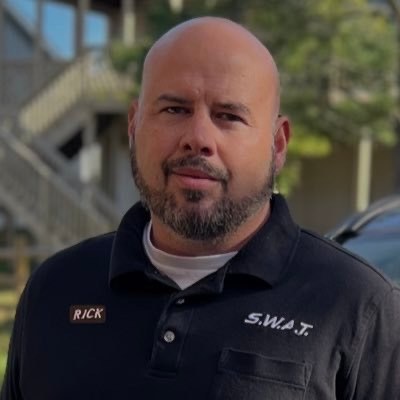
Rick's installer take — protect yourself if you sign up
I install in-wall low-voltage runs for a living. Cutting an existing satellite line during a different install is a beginner mistake. Burying fiber at 4 inches instead of 18-24 inches is a beginner mistake. The pattern from Conexon's documented complaints suggests subcontractor quality control gaps. That's not unique to Conexon — Frontier and AT&T contractor crews do this too — but it means YOU have to be the QA.
- Demand 18-24" burial depth in writing. Most states require this for fiber by code. Get the rep to put it in the install scope of work email.
- Walk the install path with the crew. Point out where your existing satellite line runs, where lawn cables are, where landscaping is. Stop the crew if they're not paying attention.
- Speed test day-one. Run speedtest.net or fast.com from a wired connection (not Wi-Fi) the day of activation. Screenshot it. If you're seeing less than 80% of promised speed, file a service ticket immediately — you have leverage in the first 30 days.
- Document customer service interactions. Note the date, time, hold duration, agent name, and outcome of every call. Long hold times are not a deal-breaker — but if they become a pattern, escalate via BBB.
- Co-op accountability angle: Conexon partners with rural electric co-ops. If a serious dispute arises, the coop board is often your most effective escalation lever — they care about member satisfaction in ways a corporate ISP doesn't.
The honest take: if Conexon Connect is the only fiber option in your rural FL/GA/MS/MO address — which it often is, since the coop overbuild model targets places where no one else will build — sign up. The free fiber + free interior install still beats satellite or DSL by miles. Just be your own QA on the install day, document the speed test, and use your coop membership as the escalation lever when needed.
How to check your address
- Go to conexonconnect.com and use the coverage-check tool.
- Verify which coop they're partnering with in your area — that's your secondary escalation contact if issues arise.
- Get the install scope of work emailed to you, including burial depth and speed tier.
- If you sign up and an issue arises: open a Conexon ticket, then escalate to (a) your electric coop board, (b) BBB, (c) your state PUC.