Bluesound in 2026 — The Audiophile Multi-Room Audio Pick

Bluesound is what serious music listeners pick. 24-bit/192kHz lossless, MQA support, BluOS is the best app in the category. Costs more than Sonos but earns it on audio fidelity.
The pitch
Bluesound is the multi-room audio system designed for people who care about hi-res audio. Every product supports 24-bit/192kHz lossless, MQA unfolds properly (Tidal Master quality), and the BluOS app is genuinely the best in the category — power-user features, ROON integration, real playlist management. The hardware feels like high-end audio: heavier, better DAC chips, premium build.
The 2026 lineup
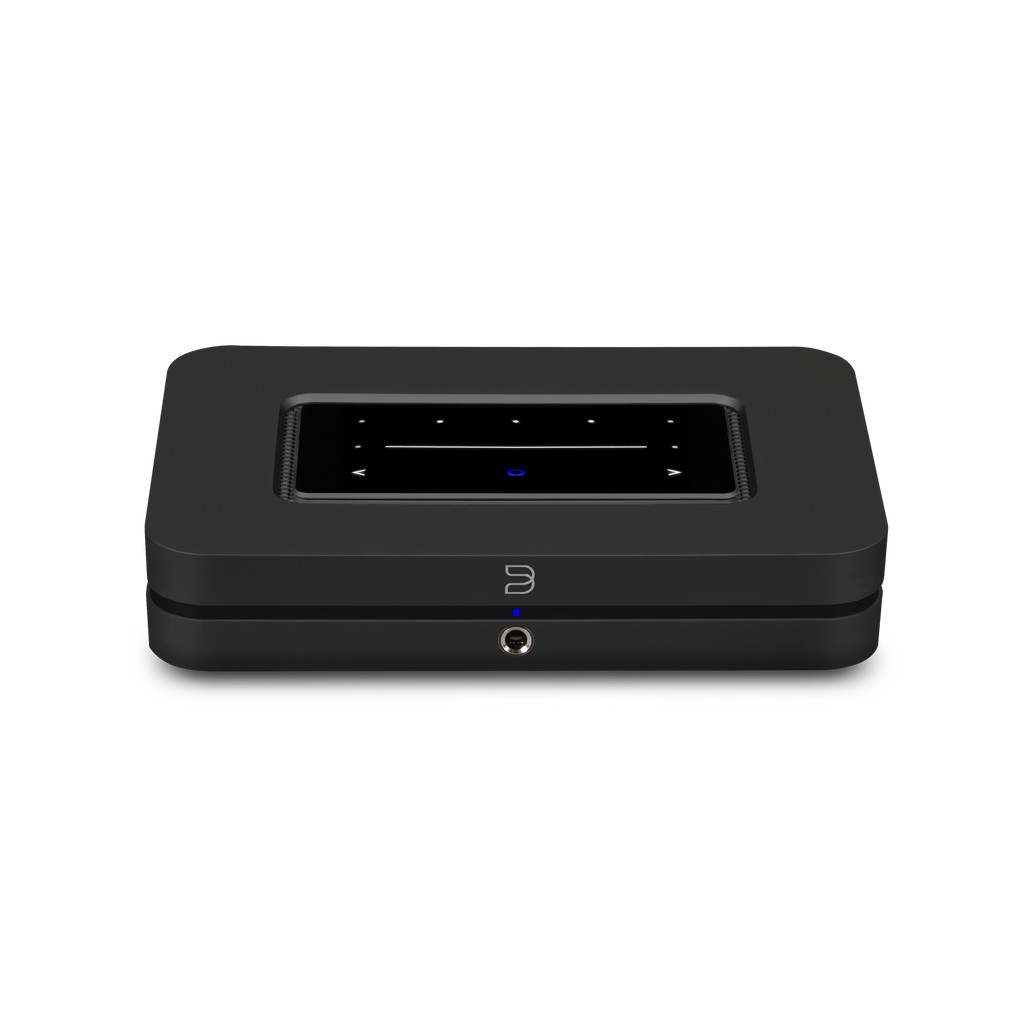
Bluesound NODE
The audiophile streamer. Connects to your existing stereo amplifier. Hi-res streaming + BluOS in one box.
Check on Amazon →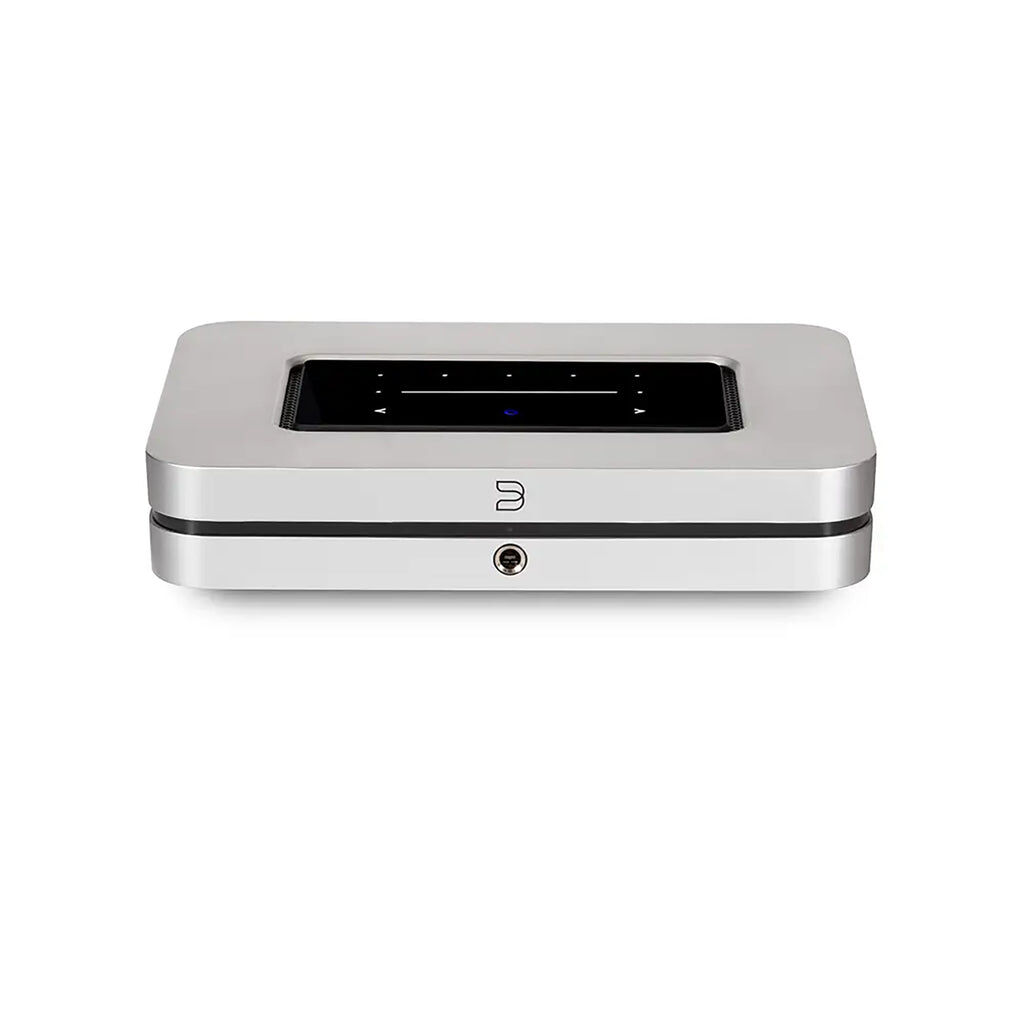
Bluesound NODE X
NODE with built-in headphone amp + premium DAC. For headphone listeners who also want multi-room.
Check on Amazon →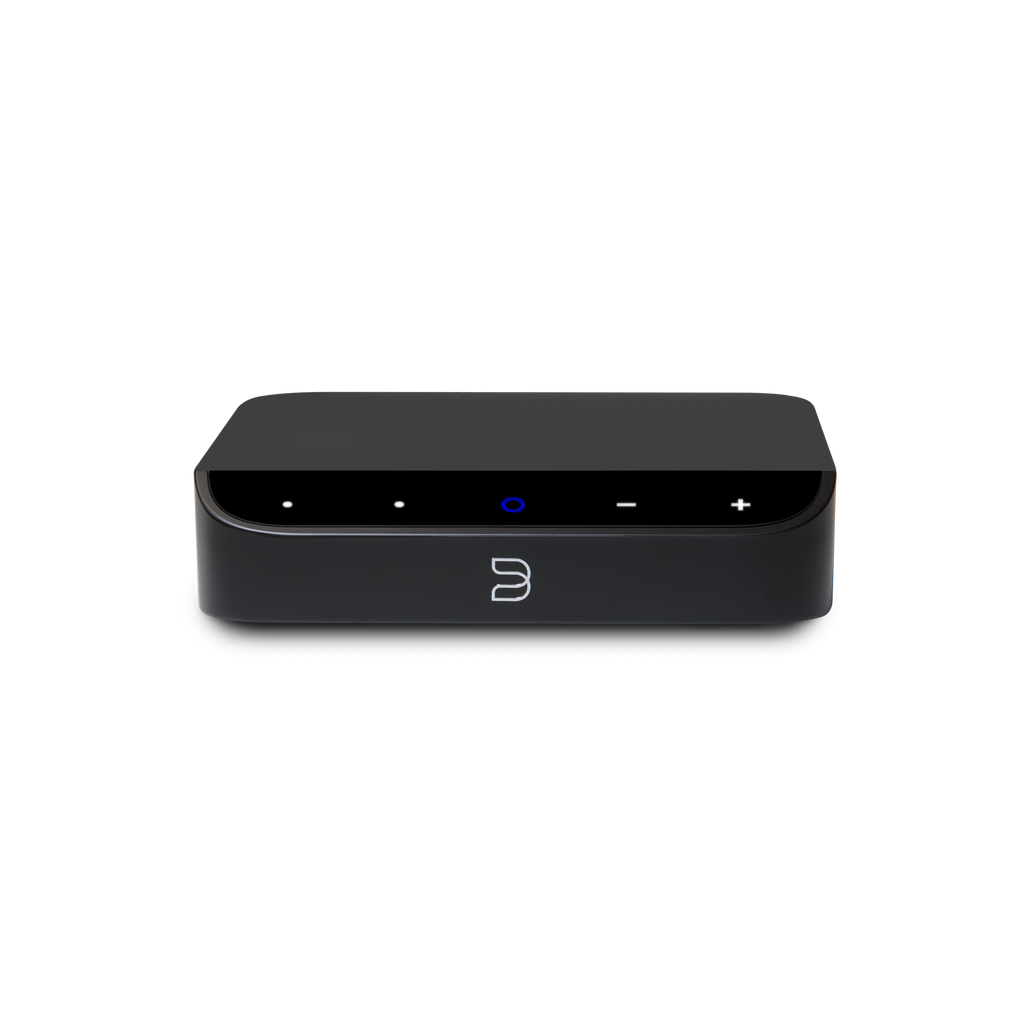
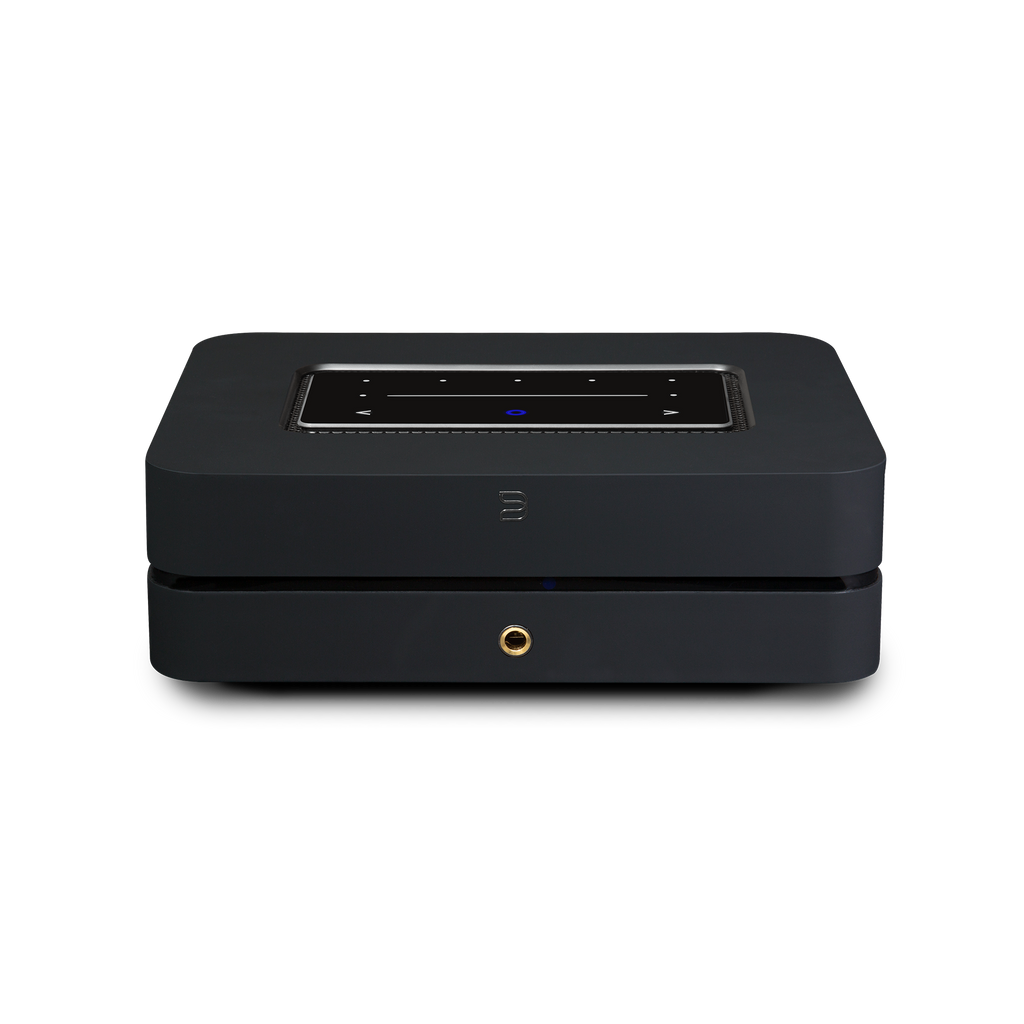
Bluesound POWERNODE
Streamer + 80W amplifier in one. Drives passive bookshelf speakers without a separate stereo amp.
Check on Amazon →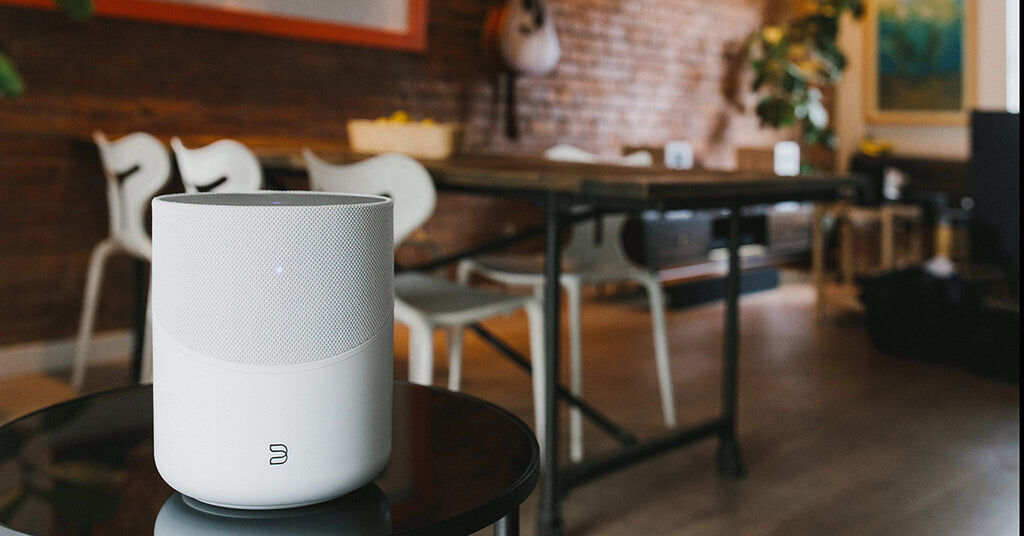
Bluesound PULSE MINI 2i
Compact all-in-one wireless speaker. The Bluesound answer to a Sonos Era 100.
Check on Amazon →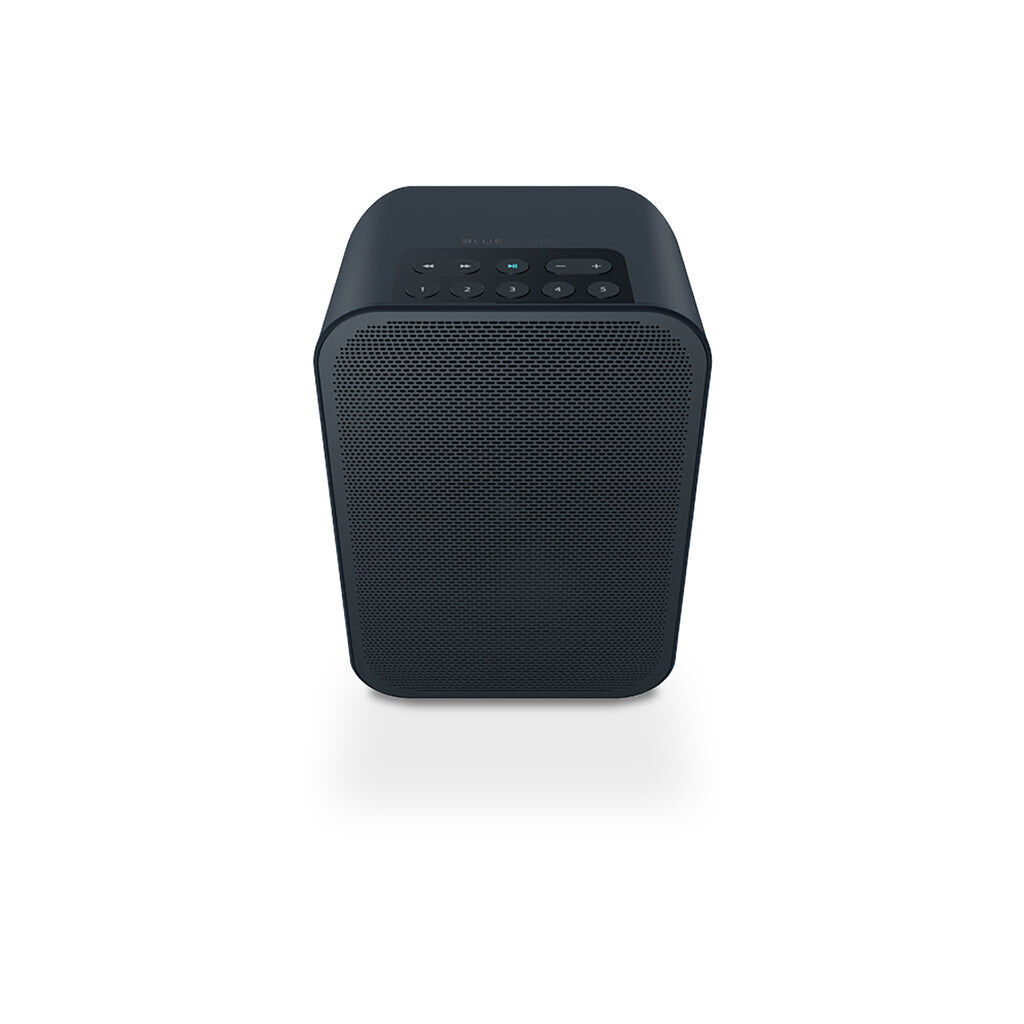
Bluesound PULSE FLEX 2i
Portable battery-powered. The Bluesound answer to a Sonos Move 2.
Check on Amazon →Strengths and weaknesses
✓ Where it wins
- Full hi-res support — 24-bit/192kHz lossless across the entire lineup
- MQA-compatible — Tidal Master unfolds properly (most multi-room systems can't)
- BluOS app is the best in the category — power-user controls, ROON-compatible, robust playlist management
- Modular design — buy a NODE to add hi-res streaming to your existing stereo, no need to replace speakers
- Built-in HDMI input on flagship models — can act as a TV audio receiver
- Hardware feels like high-end audio (heavier, better DACs, premium build)
✗ Where it loses
- More expensive — most Bluesound products are 1.5-2× the equivalent Sonos
- Fewer retail displays — harder to see and hear before buying
- Smaller smart-home footprint — Alexa and Google work but integration isn't as deep as Sonos
- No portable battery as compelling as Sonos Roam — PULSE FLEX 2i is fine, not great
- Sound is "high fidelity neutral" — accurate but some people want the warmer Sonos sound
- BluOS has a steeper learning curve than Sonos
When Bluesound is the right pick
Bluesound is the right pick if you actually care about hi-res audio and MQA — meaning you subscribe to Tidal Master or Qobuz, you listen critically, and you can hear the difference. It's also the right pick if you already own great passive speakers and want to add streaming without replacing them — a Bluesound NODE plugs into your existing amp and you're done.
When to look elsewhere
Bluesound is the wrong pick if you mostly stream Spotify or Apple Music compressed audio — you're paying 1.5-2× for fidelity you won't hear. It's also the wrong pick for households that want voice assistants front-and-center, or that want to grow the system one $179 portable at a time.
★ Rick's verdict
If you're an audiophile, this is the pick. The hi-res support and MQA are real, the app is the best in the category, and the build quality matches the spec sheet. For everyone else, Sonos is fine and cheaper.