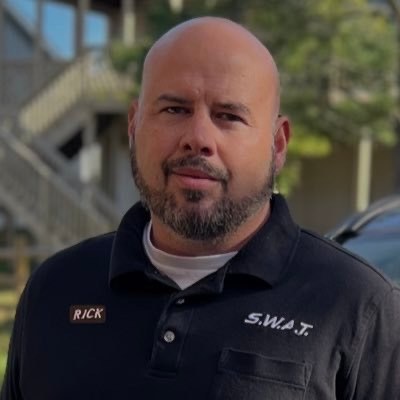
I have wired living rooms in the DC metro for 28 years. In that time I have watched the same five families of customers ride the same arc: they cut the cable bundle to save money, signed up for three or four streaming services, kept buying one more when their favorite show moved, and ended up paying more than they were paying for cable. They blame themselves for being undisciplined. They are not the problem. The math is the problem.
This article is the math. No conspiracy theories, no political angle. Just public facts about who owns what, why your bill keeps going up, and the stack that actually saves money in 2026.
The household tally
The typical American household in 2026 holds five to eight streaming subscriptions. Netflix is in roughly 60 percent of homes. Then it varies: Disney+, Hulu, Prime Video, Max, Peacock, Apple TV, Paramount+. Add a live TV service like YouTube TV or Fubo if you watch sports, plus maybe a league app or two for out-of-market games.
Run the math on the middle case. $24.99 Netflix Premium plus $15.99 Disney+ ad-free plus $14.99 Hulu ad-free plus $14.99 Prime plus $16.99 Max plus $16.99 Peacock plus $12.99 Apple TV plus $82.99 YouTube TV equals $200.92 a month. Throw in NFL Sunday Ticket at $240 a year ($20 a month) and you cross $220.
The average cable bill in 2021 was about $115 a month. Stack streaming today and you have moved past that, often without noticing.
The most common question I get at a kitchen table: how did this happen? Here is how.
The unbundling that wasn't
Cable was always sold as a package. You paid for 200 channels even though you watched 12. That used to feel like a ripoff, and in a way it was, because the package was set by what the cable company wanted to charge, not by what you would have chosen.
Streaming was sold to the public as the answer. Unbundle the channels. Pay only for what you watch. Cancel anytime. Sounds great in theory.
What actually happened is that the same companies that owned the cable channels turned their content into separate stand-alone subscriptions. ESPN, A&E, Lifetime, Bravo, USA, Cartoon Network, HBO, FX, AMC, Comedy Central, MTV, Nickelodeon, Discovery, History, Food Network — all of those used to come in one package. Now most are split across Disney+/ESPN, Max, Peacock, Paramount+, and so on.
So instead of paying $115 for 200 channels, you pay $200 for the same content, broken into eight separate signup flows, with eight separate credit-card charges, each with its own ad tier, password limit, and yearly price hike. Same content, more checkout steps.
This is the trick. Unbundling did not lower the cost of the content. It moved the cost around so each piece looks affordable on its own.
Six owners control almost everything
Once you know who owns what, the bundle math gets easier to see. As of 2026, six companies control almost every paid streaming subscription dollar in the US:
- The Walt Disney Company — Disney+, Hulu (now 100% Disney since July 2025 when Disney bought Comcast's remaining 33% for $9.05 billion), ESPN's new direct-to-consumer service, ABC, FX, National Geographic. Disney also took 70% of Fubo when Hulu + Live TV merged into it in October 2025. So if you subscribe to Hulu + Live TV today, you are actually subscribing to Fubo, owned majority by Disney.
- Comcast / NBCUniversal — Peacock, NBC, USA, Bravo, E!, Universal Pictures. Also Xfinity cable. Comcast spun off most of its other cable networks (MSNBC, CNBC, USA Network, Syfy, Oxygen) into a new company called Versant in January 2026, but kept the broadcast and streaming layers.
- Paramount Skydance Corporation — CBS, Paramount+, MTV, Nickelodeon, Comedy Central, BET, Showtime. Formed in August 2025 when David Ellison's Skydance Media (backed by RedBird Capital) bought Paramount Global. Now bidding to acquire Warner Bros. Discovery (HBO, Max, CNN, Discovery, TNT, TBS) for around $111 billion. If that closes in late 2026, the combined entity would control HBO, CNN, CBS, MTV, Nickelodeon, Comedy Central, Showtime, Paramount Pictures, and Warner Bros. Pictures.
- Netflix — the only one that does just streaming. 325 million paid memberships, $9.5 billion in free cash flow. Took over the WWE Monday Night Raw rights for $5 billion over 10 years starting January 2025.
- Amazon — Prime Video, MGM Studios. NFL Thursday Night Football. New NBA package starting 2025-26. Bundled with the rest of Prime, so the streaming is technically a side benefit of a shopping subscription.
- Apple — Apple TV (dropped the "+"). MLS Season Pass (paywall ending 2029). New Formula 1 rights starting 2026. Severance, Ted Lasso, Slow Horses, the original-content slate.
That is the whole list. There are smaller services — Starz, AMC+, BritBox, Crunchyroll — but the six above carry over 90 percent of US household streaming dollars.
Knowing that helps because once you see the bundle math, you can stop overlapping. Hulu and Disney+ are the same checkout. Peacock and NBC are the same checkout. The bundle pricing is built around that.
Why sports rights doubled in a single deal
The biggest reason your streaming bill keeps going up has a single word: sports. Sports rights are the one thing streamers cannot fake or replace, so the bidding has gone vertical.
The clearest example came in July 2024. The NBA signed an 11-year, $76 billion media rights deal with Disney, NBC, and Amazon. The previous deal was worth about $2.7 billion a year. The new one is $6.9 billion a year — a 2.6x jump in one cycle. TNT, which had carried NBA games for 40 years, was matched out and lost the package entirely.
Apple did the same thing with Formula 1. ESPN was paying about $85 million a year for F1 rights. Apple bought the next cycle for around $140 million a year — nearly double, with the same number of races. F1 is now Apple TV exclusive in the US starting 2026.
And in April 2026, the NFL bought 10 percent of ESPN in exchange for NFL Network and NFL RedZone media assets plus roughly $3 billion in cash. The biggest sports league in America is now an equity stakeholder in its biggest TV partner. That is not a one-way deal anymore. It is a partnership.
What this means for you: when a streamer doubles its sports rights spending, the cost has to go somewhere. It goes into your subscription. Apple TV jumped from $9.99 to $12.99 in August 2025 (30 percent). Netflix's premium tier crossed $20 a month and is now $24.99. Disney+ ad-free crossed $15.99. Peacock crossed $16.99. The price hikes are not random — they are paying for sports.
If you do not watch sports, you are subsidizing the people who do.
The RSN model died on April 30, 2026
The other big shift, and the one most fans actually felt, is the collapse of the regional sports network model. RSN stands for regional sports network — the channels like Bally Sports, FanDuel Sports Network, NBC Sports Bay Area, MASN, YES, NESN. The channels that carried your local team's games inside a cable bundle.
For 30 years that was how you watched the home team. The RSN paid the team for rights, then collected a per-subscriber carriage fee from every cable household whether you watched or not. The fee was small — usually a few bucks — but it added up across millions of households.
When cable subscriptions dropped from about 100 million in 2010 to roughly 50 million in 2026, the math stopped working. The biggest RSN operator, Diamond Sports Group, filed Chapter 11 in March 2023. It emerged in January 2025 as Main Street Sports Group running the FanDuel Sports Network brand. It collapsed again. The final live FanDuel SN broadcast was an NHL playoff game on April 30, 2026.
Nine MLB teams, thirteen NBA teams, and seven NHL teams lost their TV home that month. Some went over-the-air for free (the Phoenix Suns and Utah Jazz pioneered this in 2023; the Padres, Diamondbacks, Brewers, and Twins followed). Some launched direct-to-consumer apps. The Washington Nationals walked away from MASN at the end of 2025 and partnered with MLB on Nationals.tv, around $20 a month.
If you have been frustrated trying to find your team this season, you are not crazy. The 30-year structure that put them on cable broke. The new structure has not settled yet.
The $30 antenna gets you 70 percent of the games you used to pay for
Here is the part nobody pushing you a streaming service wants to tell you. A $30 over-the-air antenna, mounted in your attic or on your roof, gets you every broadcast network in your local market: ABC, CBS, FOX, NBC, PBS, Telemundo, Univision, plus a dozen smaller channels.
That is not nothing. That is most of what you actually want to watch live.
- NFL Sunday afternoon games on CBS and FOX for your local market.
- Sunday Night Football on NBC.
- Most Monday Night Football games (ABC simulcast).
- Christmas Day NFL games (Netflix).
- The Big Ten — FOX, CBS, NBC carry the marquee Saturday game most weeks.
- The 2026 FIFA World Cup — FOX (English) and Telemundo (Spanish) for every match.
- March Madness Final Four — rotates between CBS and TBS.
- The NBA Finals — ABC.
- Stanley Cup Final — ABC.
- The Olympics — NBC.
- Local news, weather, kids' programming.
This is just physics. The broadcast networks transmit a signal that any antenna in range can pick up, free, forever. The cable industry got us out of the habit of using antennas in the 1990s by bundling them into the cable feed. The antennas still work. The signal is still there. The networks still spend billions to air the marquee games on broadcast because they want the reach.
If you have not put up an antenna yet, this is the year. After 28 years of installs, I can tell you it is the single highest-return purchase any household can make on their TV bill.
The honest stack — about $45 a month for most households
Here is what an actually disciplined household runs in 2026:
- $30 antenna — one time. Covers all broadcast networks plus the marquee games above.
- One general-entertainment service — Netflix Standard at $17.99 or Disney+ ad-free at $15.99. Pick one. Cancel the other unless you have specific must-watch shows on both.
- One sport-specific add — if you follow a team out of market, MLB.tv at $149/year ($12.50/month) or NBA League Pass at $99/year ($8.25/month). If you do not follow a team out of market, skip this.
- One live TV service only if you watch news or live sports beyond what antenna covers — YouTube TV at $82.99 or Fubo at $84.99. If you only watch your local team plus broadcast networks plus one or two streaming services, you can skip live TV entirely.
Average household running this stack: antenna ($30 one-time amortizes to roughly $1/month over three years) plus one streaming service ($16-18) plus optional sport app ($8-12) = roughly $25 to $30 a month. Add live TV only when you actually need it and you are still well under $100.
Compare that to the household at the top of this article paying $220 a month, and the answer is about $1,800 a year saved by being deliberate about three or four decisions.
Rotate seasonally
The other move that almost nobody actually does, but everyone can do: cancel and re-subscribe by season.
Most of these services have no annual contract. You can cancel after the show you want ends and resubscribe when the next season drops. If you only watch The Bear on Hulu, sub for one month, binge, cancel. Same for Severance on Apple TV. Same for Stranger Things on Netflix.
The streaming services know most people do not do this. They count on auto-renew. Auto-renew is how they hit their revenue targets. Disciplined cancellation is how you stop paying for months when you are not watching.
The bottom line
The streaming system is not designed for your savings. It is designed to capture as much subscription dollar from each household as possible, by splitting content across multiple services, raising sports rights costs faster than inflation, and counting on auto-renew to hold the line on subscriber counts.
That is not a complaint. That is just how the business works. You can opt out of most of it by being deliberate about which two or three services you actually use, by putting up the $30 antenna, and by canceling between seasons.
You do not need to know who Bob Iger is or what David Ellison just bought. You just need to know that six companies are setting the prices, that sports rights are why those prices keep going up, and that broadcast networks are still free.
If you want a personalized recommendation based on your zip code, your team, your favorite shows, and your existing subscriptions, run our quiz. It pulls in everything we know about your local market and gives you the honest stack for your household.
Run the Tailor Fit quiz — build your personalized stack
Last verified: 2026-06-04 against live carrier and rights data. Streaming rights shift quarterly — we re-check every season.
Sources for the facts in this article: Disney 8-K filing on Hulu valuation closing (June 2025); Disney + Fubo merger close press release (October 29, 2025); NBA Media Rights deal announcement (July 24, 2024); Apple-F1 deal coverage from Motorsport.com and Yahoo Sports (October 2025); NFL-ESPN equity deal coverage from Deadline and Yahoo Sports (February 2026); Paramount Skydance Corp 8-K12B closing filing (August 7, 2025); WBD acquisition coverage (February 27, 2026); ESPN reporting on Main Street Sports Group wind-down (April 2026); MLB.com Nationals.tv launch (January 2026); Netflix Q4 2025 shareholder letter; Apple Q4 2025 services results.